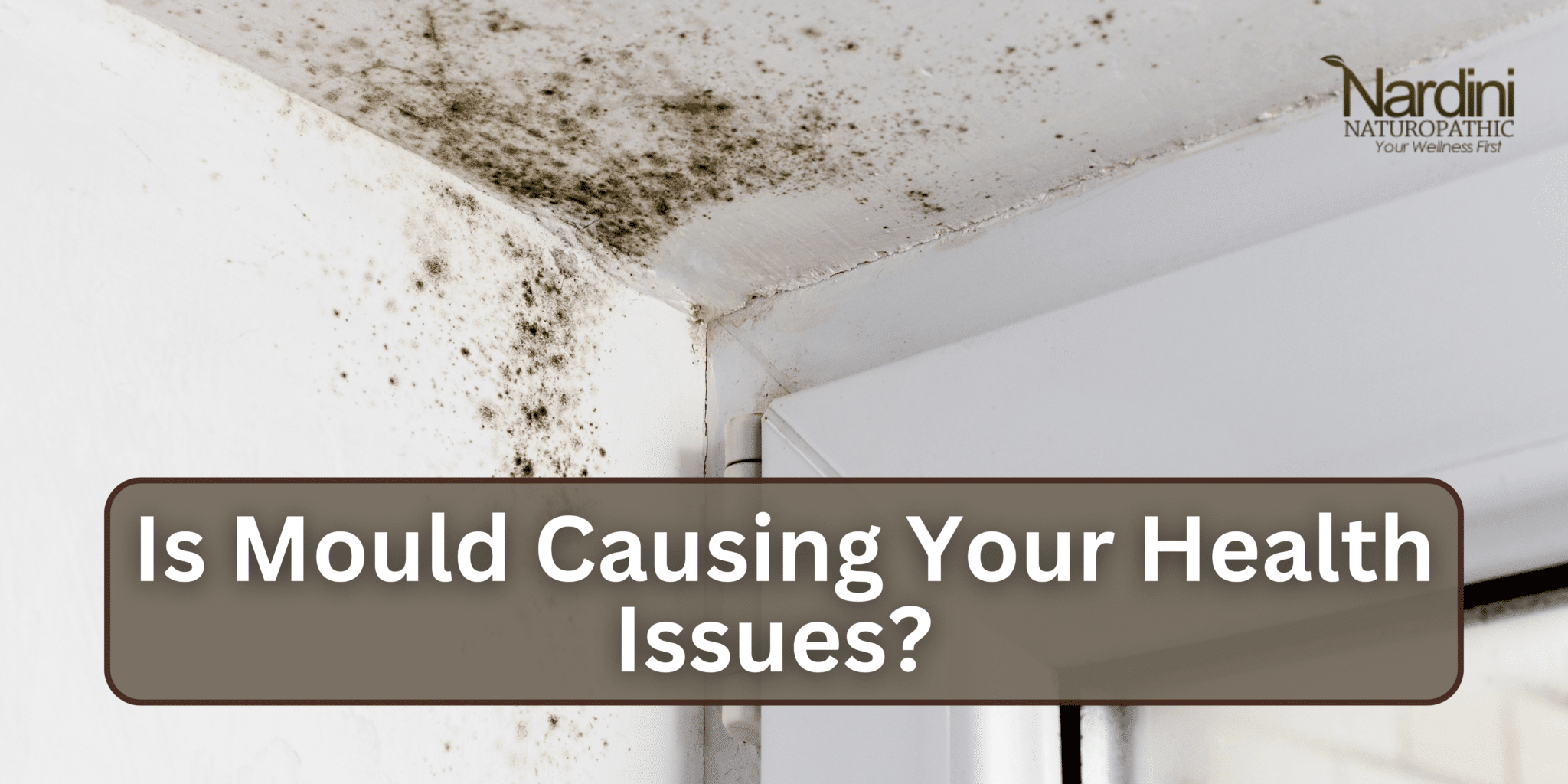
When we think of mould, we often think of the stuff that grows on bread and cheese. That kind is easy to spot and cut off or toss out.
However, mould can grow in almost any dark and damp location in your house, like basements, kitchens, bathrooms, and other rooms with poor ventilation and/or water leakage. It can remain hidden behind walls and may go undetected for years.
What’s the big deal, though? If you can’t see it or smell it, it can’t be that bad, can it?
The big problem with mould, and the reason why it may be sneakily harmful to your health, is its spores. The spores are tiny particles released by the mould that can seep through seams and cracks in walls and fill the indoor air which you constantly breathe in.
Why exactly are the spores so bad for you?
Let’s have a look what mould spores may do to your body.
Why is Mould Harmful to Your Health?
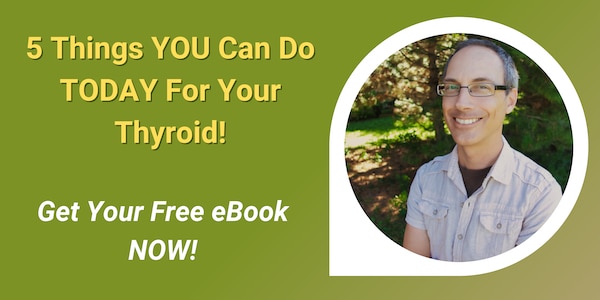
Mould is classified as a fungus. There a many different species of mould with some being more harmful to your health than others.
One of the most toxic types of mould is the so-called “black mould”, which includes many different species which are dark green, grey, or black in colour. One of the most common and toxic black moulds are species in the Stachybotrisgenus.
Other harmful mould species, which vary in colour, include Alternaria, Aspergillus, Fusarium, Memnoniella, andPenicillium.
One of the main ways that mould can harm your health is through chemicals they produce called mycotoxins. These toxins can enter the body by ingesting them in mould-contaminated food, absorbing them through the skin, and breathing them in as they’re carried on mould spores.
Some of the most harmful mycotoxins include aflatoxins from Aspergillus, present on grains and legumes, especially peanuts. They also include fumonisins, trichothecenes, and zearalenone from Fusarium, present on grains such as corn, oats, rice, and wheat.
Once they enter the body, these mycotoxins may cause symptoms like abdominal pain, diarrhea, brain fog, memory loss, headache, dizziness, nausea, and vomiting. Long-term exposure to mycotoxins may lead to chronic inflammatory conditions.
Mould may also negatively affect your health by triggering allergic reactions. For those with allergies and asthma, mould spores may trigger a histamine hypersensitivity response, leading to inflammation in the respiratory tract. For some, this inflammation is associated with chronic rhinitis (nasal inflammation) and sinusitis.
Even those that don’t have allergies can experience airway irritation from microbial volatile organic compounds (mVOCs) that moulds produce which give them that “musty” or “mouldy” odour1.
An area of the body that can be adversely affected by mould that you may not have thought of (but I certainly have) is the thyroid.
Some mycotoxins, like zearalenone, act as endocrine disruptors which may negatively impact thyroid function. A study done on cell lines in 2011 showed how this mycotoxin may increase cortisol levels, which can reduce the conversion of precursor T4 thyroid hormone into active T3 hormone2. A rat study done in 2006 demonstrated an increase in apoptosis (“cell suicide”) in thyroid follicular cells (the cells that make T4 and T3) when exposed to aflatoxin3.
A study done in 2017 concluded that long-term exposure to mould could result in low T3 and T4 levels, while increasing reverse T3, a thyroid hormone which works against T34.
Mould exposure is also associated with an increased risk of so-called autoimmune conditions5. The gut inflammation caused by many mycotoxins may increase the risk of developing Hashimoto’s thyroiditis and Graves’ Disease.
How to Test for Mould?
Of course, none of this may matter to you unless you know if your home has a mould problem. If you suffer from allergies, asthma, chronic sinusitis, gastrointestinal problems, frequent headaches, or thyroid problems, it may be worth getting an indoor air quality assessment.
One option is to purchase a home test kit for mould, but this may not be the most accurate choice.
A professional mould testing and remediation company can do an inspection of your home and test for the presence of mould. They will test both air and surface samples for mould and mould spores present on carpets, flooring, basements, HVAC systems, home appliances, and areas with water damage.
Testing your external environment for mould is important, but it may also be helpful to test your internal environment.
Blood tests for inhaled contaminants are available that include screening for mould exposure6. They test for allergy-associated antibodies, called IgE, that are said to be specific to various allergens, including mould. If you have high levels of mould-specific IgE in your blood, you may have an allergy to mould.
However, high antibody levels do not always correlate with recent mould exposure. A better measure of that may be to test for the mycotoxins themselves. A simple urine test exists to test for a wide range of mould mycotoxins, like aflatoxins, trichothecenes, and zearalenone7.
Natural Treatments for Mould Toxicity
Once you’ve established that there’s mould in your internal and/or external environments, what can you do to tackle this problem?
Cleaning up your external environment, particularly your home, is key, of course. I’ll get to some of the remediation and prevention measures you can take a bit later.
Let’s first consider some of the natural options to clean up your internal environment – the body itself.
1. Avoid sugar
Excessive intake of sugar and carbohydrates weakens the immune system and promotes inflammation. This makes it harder to manage allergies to mould and fight off the effects of the mycotoxins.
Another point is that fungi love sugar! If you’re unfortunate enough to have mould or fungus, like Candida, overgrowing in the body, those sweet snacks could make it worse.
2. Avoid mould-susceptible foods
Some foods tend to grow mould easily, increasing your exposure to spores and mycotoxins if you consume them. Even when you can’t see any mould on the food, there may be microscopic spores present or invisible mycotoxins.
Common examples of foods with hidden mould are:
- Peanuts (especially Aspergillus which produce aflatoxins)
- Grains (corn, wheat, rice)
- Dried fruit
- Bread
- Soft fruit and vegetables
- Soft cheeses
- Yogurt and sour cream
- Condiments
This doesn’t necessarily mean that you need to cut these foods out completely, but it may be wise to limit your consumption if you suspect you have mould allergies or toxicity from mycotoxins.
Of course, if you can see the mould, discard the item. With hard fruits and vegetables and hard cheeses it may be enough to remove the mould by cutting out at least an inch around and including the mould spot and then discarding it.
3. Support your organs of detoxification
Your body’s detoxification system consists of several organs and tissues that specialize in various aspects of the detoxification process. This makes them crucial when the body is affected by mould spores and mycotoxins.
The organs of detoxification include the liver, kidneys, lymphatic system, colon, and others. You want to get these working to help remove mould-associated toxins from your body.
Fortunately, there are many natural options to rev up the body’s detox pathways to help them flush out mycotoxins and reduce the inflammation caused by mould.
Milk thistle and cruciferous vegetables can help support liver detoxification. Nettle leaf, dandelion leaf, and cold-water fish promote kidney function. Deep breathing, dry brushing, and echinacea can get the lymphatic system flowing. Slippery elm, L-glutamine, and ground flax seed are often helpful for supporting the colon’s detox function.
4. Increase your antioxidant intake
One of the main reasons why mould toxins are harmful is due to a phenomenon known as oxidative stress.
When one of these toxins enters the body, by eating it, drinking it, breathing it in, or absorbing it through the skin, it creates a chemical reaction known as oxidation. Toxic substances will often trigger oxidation through the creation of potentially damaging chemicals called “free radicals”.
Inside the body, oxidation results in damage to important molecules that are needed for proper organ function, including the function of the thyroid. Repeated damage by oxidation may lead to sick organs, which can eventually mean sick people.
Antioxidants help to reduce this oxidative stress so the body’s organs and tissues can function optimally.
Antioxidant nutrients that you can take in supplement form include alpha lipoic acid, catechins, coenzyme Q10, NAC, and Vitamin C.
Foods which contain high levels of antioxidant nutrients include broccoli, green tea, garlic, bets, and berries; herbs, like rosemary, oregano, and thyme; and spices like clove and turmeric.
5. Consider anti-fungal herbs
Botanical medicine refers to the medicinal properties of natural plant material.
This material may include the leaves, stems, flowers, seeds, or roots, which varies as each plant part has different healing properties.
Some plants have natural anti-fungal properties. If you have excessive fungal growth in the body, like in the gut with Candida or on the toenails with other species of fungi, these herbs may be helpful.
With mould, it’s their spores and mycotoxins that are the main problems.
Fortunately, many of the botanical medicines classified as anti-fungal have antioxidant and detoxification properties that make them quite suitable to fight the effects of mould exposure on the body.
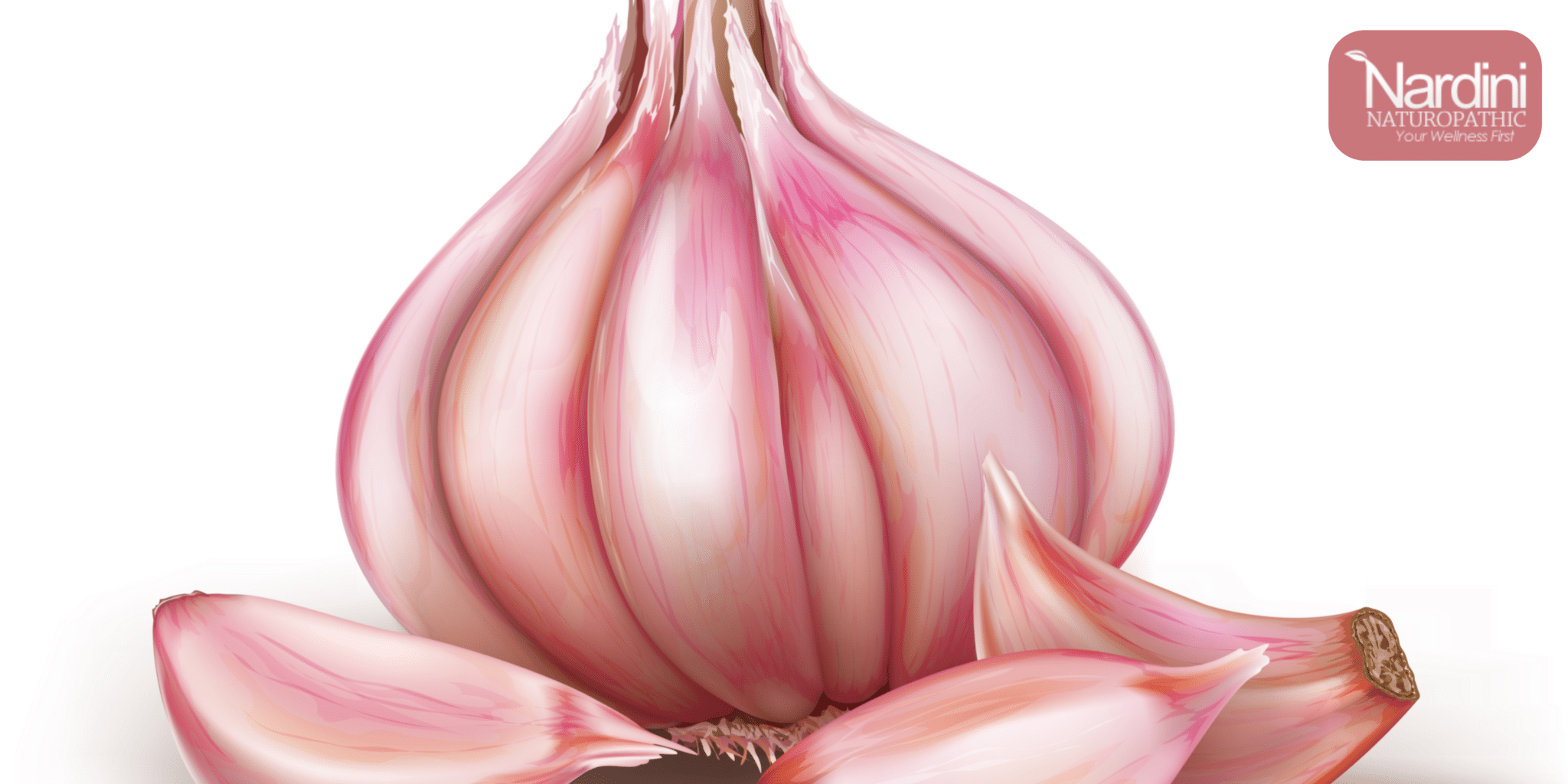
Some great examples of anti-fungal botanicals are garlic, pau d’arco, oregano oil, tea tree oil, and neem.
Many people who have high exposure to mould also have internal fungal overgrowth. Thus, extracts of these plants are especially good due to their dual-purpose.
6. Get enough fibre
Once the liver processes mycotoxins and secrets their metabolites into the bile, it’s critical that they’re removed from the body efficiently. Bile from the liver and gallbladder makes its way into the intestines where it can be excreted in feces.
If the bowels are not moving regularly (less than one bowel movement per day), gut bacteria get to work on the mycotoxins that have been processed by the liver. This allows the toxins to get re-absorbed into the circulation where they can cause more damage8.
An excellent way to remove toxins from the colon before they can get reabsorbed is by ensuring sufficient fibre intake. The fibre binds up the toxins, helping to prevent them from reabsorbing. It also promotes regular bowel movements, which move the toxins right out of the body. For most adults, daily fibre intake should be between 25 and 30 grams.
Fruits and vegetables provide much of the dietary fibre. However, many of us can benefit from fibre supplementation in the form of ground chia, ground flax seed, or psyllium husks.
Binders, like activated charcoal and bentonite clay, may also help lock up the mycotoxins so they have nowhere to go but out.
7. Consume probiotics
The microbiome refers to the micro-organisms all over your body. What we’re most interested in here are the tiny critters in your digestive tract, what we call the gut microbiome.
Sometimes referred to as your “microflora”, these bacterial and fungal species make their residence in the digestive tract, primarily in the large intestine.
These microbes help to keep the gut cells healthy, so they are more resistant to the negative effects of mycotoxins. Keeping the gut bugs happy also helps prevent overgrowth of certain fungal species, whether they’re concurrent with mould exposure or not.
Soluble types of fibre, called “prebiotics”, from legumes and fruit feed the beneficial bacteria species.
Yogurt, kefir, sauerkraut, and kimchi are fermented foods which contain prebiotics and healthy bacteria, like Lactobaccilli, which may promote a healthy microbiome.
Supplements that contain age-specific and multiple strains of Lactobaccillus and Bifidobacteria strains may also support a healthy microbiome. Colony counts should be in the 15-30 billion range per dose.
8. Exercise (outdoors when possible)
As mentioned earlier, the lymphatic system is one of the body’s primary organs of detoxification. A great way to get the lymph going is through regular exercise.
A 1997 research study tracked the clearance of an injected protein from the leg muscles of men during various types of exercise9. They found that the protein cleared from the muscle three to six times faster during muscle contraction compared to resting periods. This strongly suggests that muscle movement drives the flow of the lymph fluid, helping to clear the protein and, potentially, mycotoxins.
Some of the most recommended exercises for boosting lymphatic flow include walking and using a rebounder (jumping on a mini trampoline). These should be done every day, if possible. For each session, walk for 30-45 minutes at a moderate to brisk pace or use the rebounder for 20 minutes.
Muscle building exercises, using light weights, also assist pumping the lymph. Ideally, strength exercises should be done for 30-40 minutes, 3x/week.
9. Stay hydrated
Dehydration can cause lymphatic congestion and blockages in the first place, making it harder to clear out mycotoxins.
Get 8-12 glasses of water per day. This helps to clear out water retention and toxins.
In fact, you can even get some of your water from healthy food choices!
Cucumber, melons, celery, and citrus fruits naturally contain a lot of water. Lemons and limes are especially good for this, since their acidic nature helps your body absorb minerals, helping to keep you hydrated.
Environmental Control and Prevention
Of course, the best medicine is the preventative kind. This includes minimizing your exposure to mould and its toxins in your external environment, namely your home.
Here are a few commonsense measures to help keep mould exposure down in your home:
- Control moisture – Deal with recurrent flooding in basements and place dehumidifiers in damp areas.
- Improve air circulation – Open windows, when possible, and use exhaust fans in bathrooms and other rooms where air is stagnant and moist.
- Use air filtration – HEPA filters in your HVAC system or stand-alone air filtration units can catch mould spores, reducing exposure.
- Remediate mould damaged areas – Remove any mould damaged items, including damaged wood and drywall, from the home. It’s best to hire a professional mould removal and remediation company to do this. However, if you choose to DIY here, use an N95 respirator mask, goggles, and gloves to avoid inhaling mould spores.
Final Words
Mould can be a big problem for your health if it’s not dealt with. Dealing with it requires first recognizing when it’s there.
If you’re suffering from chronic allergies or other signs of chronic inflammation, you may want to consider whether mould is a factor.
The good news is that there are quite a few naturals ways to tackle problems in your body, including your thyroid, caused by mould.
Keeping the primary detox organs healthy will help clear out the mycotoxins and the symptoms they cause. Sometimes, following a detox protocol will aid this process.
When considering a detox, always check with your primary health practitioner if you have a chronic health condition.
Also, take special caution if you are on medication: always consult with your health practitioner before embarking on a detox program since detoxification may alter the effects of the medication on your body.
Get rid of mould from your life before it can put a damper on your health!
- https://www.epa.gov/mold/what-does-mold-smell
- https://www.sciencedirect.com/science/article/abs/pii/S0378427411014378?via%3Dihub
- https://pubmed.ncbi.nlm.nih.gov/16648798/
- https://pmc.ncbi.nlm.nih.gov/articles/PMC5545575/
- https://pmc.ncbi.nlm.nih.gov/articles/PMC8619365/
- https://www.usbiotek.com/tests/48-inhalant-panel
- https://www.usbiotek.com/tests/mycotoxin-panel
- https://pmc.ncbi.nlm.nih.gov/articles/PMC1187676/
- https://pmc.ncbi.nlm.nih.gov/articles/PMC1159951/
Book An Appointment With Nardini Naturopathic
Are you interested to find out if mould exposure may be a cause of your health problems?
Or perhaps you’d like a review of your overall diet to see where you could be doing better.
Maybe you have food allergies or intolerances and worry you aren’t getting enough nutrients because of your restricted diet.
I’m Dr. Pat Nardini, a naturopathic doctor who offers nutritional counseling services to help ensure all of those gaps in your diet are filled, and that you’re getting enough of all the important nutrients which your body needs to function at its best.
Contact me today for more information, or book a free 15-minute consultation where I will help you understand how naturopathic medicine can help you.
If you have questions about naturopathic medicine, or you’d like to take your first step into the world of naturopathy, contact us at Nardini Naturopathic, and let’s book an appointment.
Yours in health,
Dr. Pat Nardini, Naturopathic Doctor
320 Danforth Ave suite 206,
Toronto, ON, M4K 1N8
-https://g.page/NardiniNaturopathicDanforth
Dr. Pat Nardini, ND is a licensed doctor of naturopathic medicine in Toronto, Ontario. He offers science based natural health solutions with a special focus on thyroid conditions.