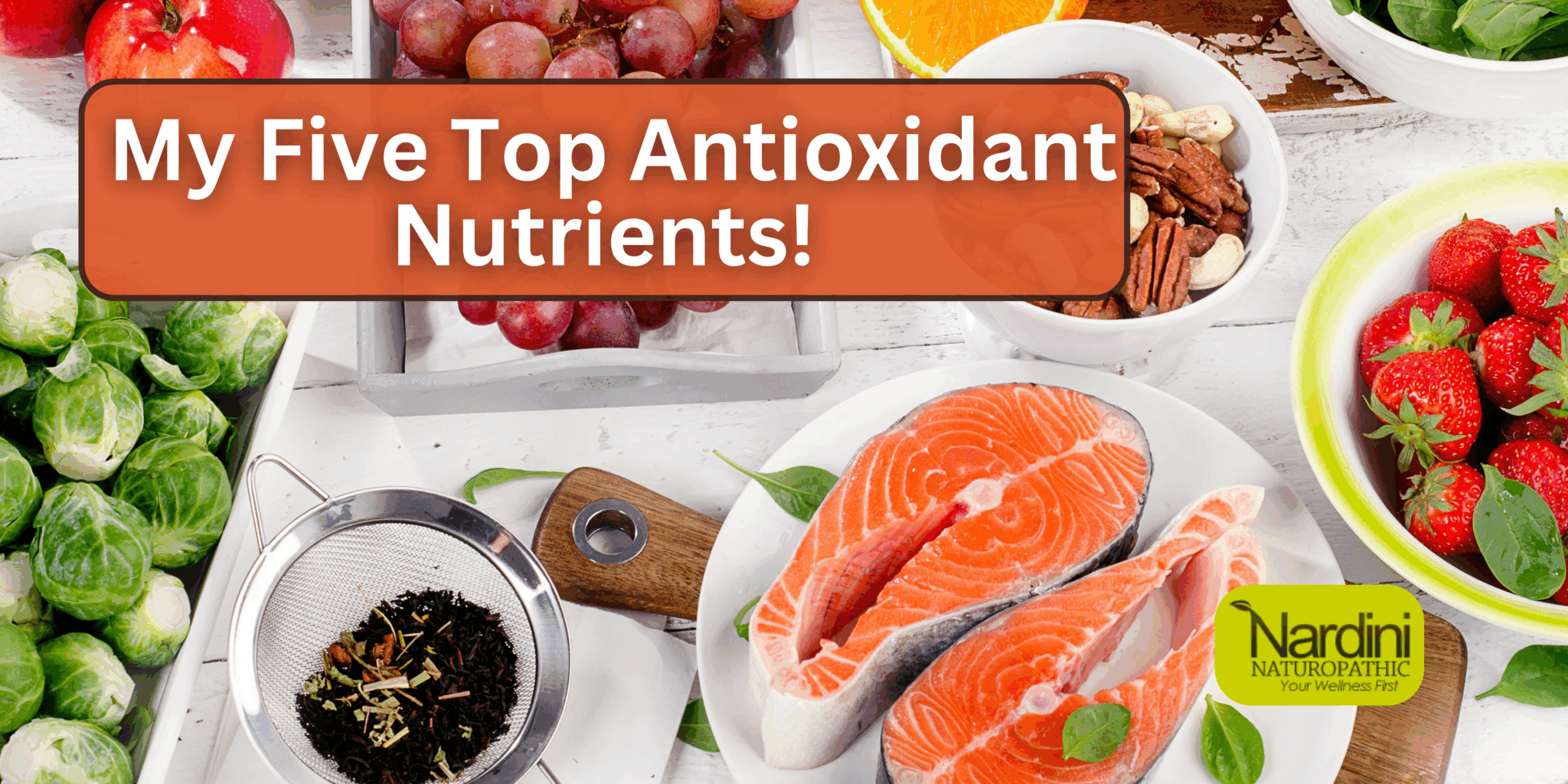
We constantly hear in the health media that it’s so important to get antioxidants in your diet.
Being told to eat more blueberries, apples, and carrots – foods high in antioxidant nutrients – is usually not too much of an ask. But are these foods always the best choice? Will other foods or even supplements provide more antioxidant bang for the buck?
Why are antioxidants so important to your health in the first place? Should we even worry about this?
The reason that antioxidants are so crucial to your overall health is that they counteract the effects of oxidative stress, a damaging biochemical process that can wear down your body’s systems if left unchecked.
Because oxidative stress is going on constantly inside your body – even just breathing causes it – it’s vital that the body has enough antioxidants to deal with it.
Before we get into how antioxidants work and which are some of the best ones, it’s helpful to understand what oxidative stress is.
Let’s take a look.
What Is Oxidative Stress?
Every day, our bodies are bombarded by toxins, in the food we eat, the water we drink, the cleaners and personal care products we use, and the air we breathe. This is not to mention the toxic effects of invisible electromagnetic frequencies from cell phones, WiFi, and other electronic devices.
Although we may not acknowledge it, stress, just from day-to-day living, can have a toxin-like impact on our bodies.
One of the main reasons why these different toxins are harmful is due to a phenomenon known as oxidative stress.
When one of these toxins enters the body, by eating it, drinking it, breathing it in, or absorbing it through the skin, it creates a chemical reaction known as oxidation. Toxic substances will often trigger oxidation through the creation of potentially damaging chemicals called “free radicals”.
Inside the body, oxidation results in damage to important molecules that are needed for proper organ function, including the function of the thyroid. Repeated damage by oxidation may lead to sick organs, which can eventually mean sick people.
Oxidation is not in itself a bad thing. In fact, the act of breathing takes in oxygen that results in the oxidation of glucose sugar that the body uses for energy.
The problem occurs when there’s more oxidation going on than the body can handle.
Normally, the body has a reserve of “antioxidants” that help to disarm the free radicals, reducing the oxidative stress the body must cope with. In fact, oxidative stress is defined as an increase in the production of free radicals and other oxidants that exceeds the body’s antioxidant capacity1.
Repeated exposure to toxins or an insufficient intake of required nutrients, can deplete the body’s stores of antioxidants.
If this is indeed occurring, how can we replenish the body’s antioxidants?
My 5 Top Antioxidant Nutrients
Minimizing your exposure to oxidative toxins, by eating organic food, drinking filtered water, and managing stress, as examples, is one of the best ways to reduce oxidative stress. Doing a periodic detox can also help keep the burden of toxins in your body low.
But managing the toxin levels in your body can only do so much. If you really want to lower your body’s oxidative stress, you also need to make sure that your body is taking in enough antioxidant nutrients.
The best way to combat oxidative stress is by consuming nutrients that are either (or both):
- Antioxidants themselves
- Nutrients that boost the body’s inherent antioxidant network
Here are some great examples of antioxidants that can help keep your oxidative stress in check. I’ve chosen these favourites based on their ability to both act as antioxidants and boost the body’s own antioxidant systems.
1. Alpha Lipoic Acid
Alpha Lipoic Acid or ALA works as an antioxidant by neutralizing free radicals, especially a very damaging type known as reactive oxygen species (ROS)2.
It may also reduce oxidative stress by regenerating other antioxidants, like Vitamin C, and by increasing the cells’ levels of glutathione, a powerful molecule in the body’s own antioxidant network3.
Research suggests that ALA: may be extremely helpful in the treatment of nerve pain associated with diabetes, may assist in the removal of heavy metals from the body, and has an anti-inflammatory effect3, 4, 5.
This nutrient is produced in the cell’s mitochondria – the so-called “powerhouses” of the cell where the cell generates its energy. You can also get alpha lipoic acid from various foods.
Dietary Sources of Alpha Lipoic Acid
- broccoli
- green leafy vegetables
- organ meats
- red beets
For greater antioxidant potential and for specific therapeutic uses, like in cases of diabetes, it may be necessary to take ALA as a supplement.
It’s readily available in capsule form with doses ranging from 200-2400 mg per day, depending on what it’s being used for. The R-alpha lipoic acid form of ALA has shown to be most bioavailable and taking it on an empty stomach may enhance absorption.
2. Catechins
The catechins are a family of antioxidant molecules present in plant foods and beverages, especially in tea. They include catechin itself as well as epicatechin, epigallocatechin, epicatechin gallate, and epigallocatechin gallate.
These antioxidants are particularly good at neutralizing harmful nitrogen and oxygen free radicals and can chelate (bind up) heavy metals which promote oxidation6.
Research also shows that the catechins can increase levels of antioxidant enzymes such as superoxide dismutase, catalase, and glutathione peroxidase, which play key roles in disarming reactive oxygen species6.
The antioxidant and antioxidant-boosting properties of catechins explain their potential in the prevention and treatment of several heath conditions, including diabetes, Parkinson’s disease, Alzheimer’s disease, cardiovascular diseases, and cancer6.
Dietary Sources of Catechins
- black and green tea
- dark chocolate
- dark grapes
- red wine
Getting the catechins from your diet is a great way to help maintain your body’s antioxidant reserves. However, for the treatment of a health condition, you’ll likely need a supplement. Green tea extracts that contain the catechins are available in capsule form and doses often range from 300 mg to 900 mg per day.
3. Coenzyme Q10
This vitamin-like, fat-soluble molecule is present in the cell’s membranes, including those of the mitochondria. In fact, Coenzyme Q10 (CoQ10 for short) is needed by the mitochondria to generate energy using oxygen.
CoQ10 is also a powerful antioxidant which quenches reactive oxygen species, thereby helping to reduce lipid peroxidation, the process by which fats are damaged by oxidation and become harmful7.
It can potentially increase the production of superoxide dismutase, and the reduced form of CoQ10, called ubiquinol, can even regenerate Vitamins C and E to their active forms8.
People dealing with fibromyalgia, diabetes, heart failure, neurodegenerative diseases, and muscular diseases tend to have lower levels of circulating CoQ109. This suggests that supplementing with CoQ10 may be helpful in the treatment of these conditions, but more research is needed for confirmation. Coenzyme Q10 is also often used as a fertility aid.
Dietary Sources Of Coenzyme Q10
- extra virgin olive oil
- fish
- organ meats
If a supplement of CoQ10 is needed, it’s available in a softgel format either in its ubiquinone or ubiquinol form. Although the former tends to be more common and less expensive, the latter has higher antioxidant potential.
Doses range from as little at 100 mg to over 1000 mg per day, depending on usage. Because it dissolves in fat, CoQ10 is best consumed with a fatty meal.
4. N-Acetyl Cysteine
N-acetyl cysteine (NAC for short) is a small molecule that contains a sulphur group known as a thiol. This thiol acts as a direct antioxidant by neutralizing both reactive oxygen species and reactive nitrogen species in the body10.
NAC is a precursor of the amino acid L-cysteine and is abundant in plants of the onion family, particularly onion itself11. Because L-cysteine is one of the three amino acids present in glutathione (along with glutamic acid and glycine), consuming NAC is a good way to provide one of the essential building blocks of glutathione.
If glutathione is so important, why not just consume glutathione?
According to research, NAC has a much better oral bioavailability than glutathione does12. What this means is that taking NAC by mouth will increase the body’s stores of glutathione better than what you get when you take oral glutathione.
NAC also appears to reduce oxidative stress by eliminating pro-oxidants from the body. A review article in 2018 showed promise with the use of N-acetyl cysteine as a detoxifier of toxic metals, like mercury, lead, and aluminum which can act as pro-oxidants13.
Research supports the use of NAC in the treatment of respiratory disease, cardiovascular issues, neurodegenerative disease, metabolic disease (related to blood sugar), male infertility, complications of pregnancy, eye inflammation, and cancer14.
Dietary Sources of N-Acetyl Cysteine
- garlic
- leek
- onion
Daily oral doses of NAC needed for therapy are generally in the 500-3000 mg range. It’s usually a good idea to divide the doses throughout the day and to take them with meals.
As mentioned earlier, NAC is found in foods, like onions, but in relatively small amounts – 45 mg of NAC per kg of onion11. So, getting NAC from food may be alright for maintenance, but if you’re using it to treat a health issue, you’ll probably require a supplement.
5. Vitamin C
Ascorbic acid, aka Vitamin C, is a well-known antioxidant. Sometimes, the most obvious choices are the best ones!
Like the nutrients I’ve already covered, Vitamin C works its magic in multiple ways.
Firstly, Vitamin C works as a direct antioxidant by disarming free radicals, like superoxide and peroxynitrite15. It can also reduce the production of free radicals in the first place by altering the function of certain enzymes that create them.
Secondly, Vitamin C can regenerate other antioxidants, like Vitamin E and glutathione15.
Thirdly, ascorbic acid may protect against the potentially damaging pro-oxidant effects of metal ions, like iron and copper16.
Because of these various antioxidant properties, Vitamin C may be helpful in the treatment of numerous health conditions, including cardiovascular disease, diabetes, respiratory disease, and autoimmune conditions.
Unlike most other animals, humans cannot manufacture their own Vitamin C and must rely on the diet to get it.
Dietary Sources of Vitamin C
- berries (amla, camu)
- broccoli
- citrus fruit
- sweet peppers
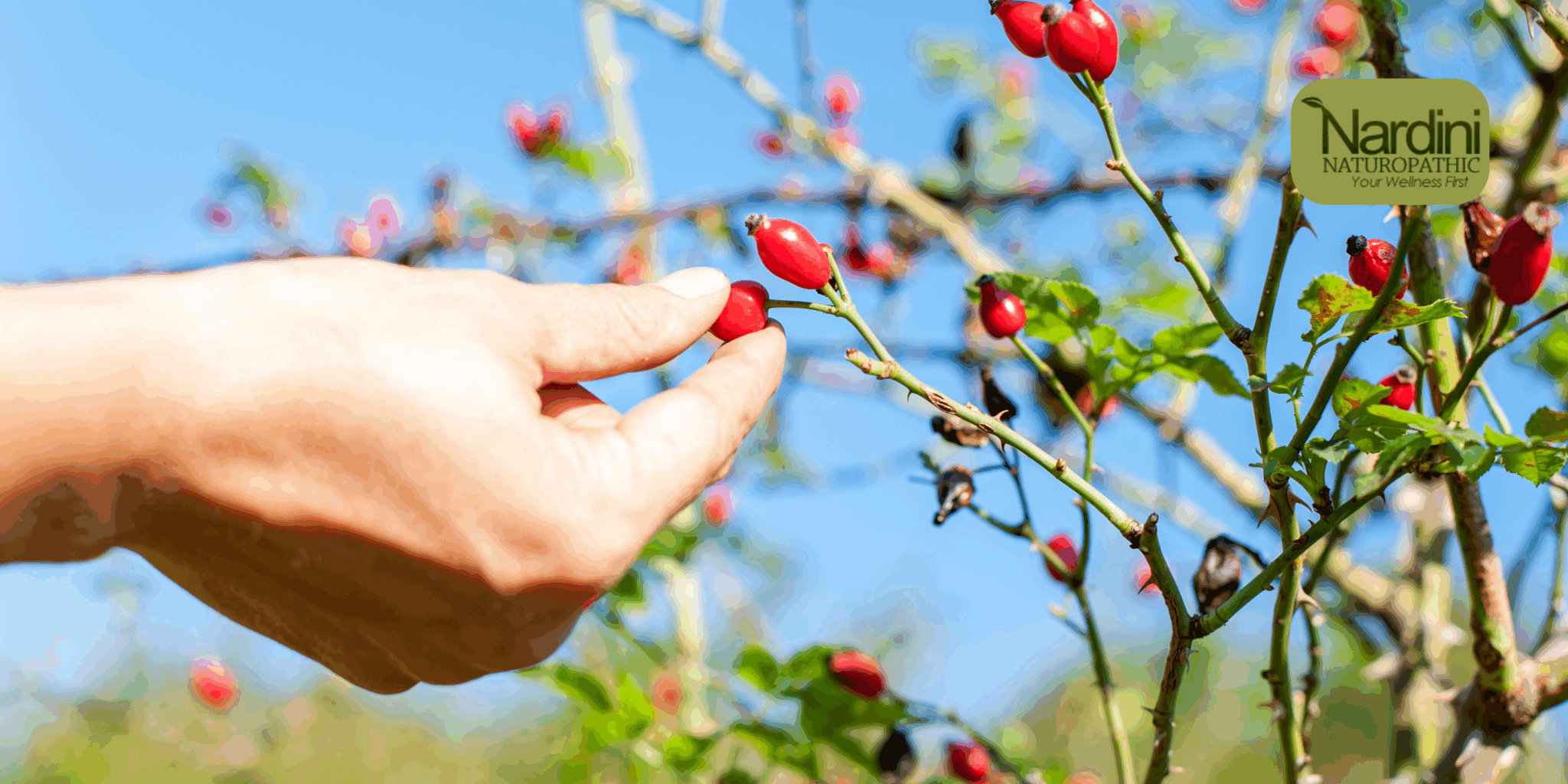
- rose hips
If you’re using Vitamin C to treat a health condition, you may need more than what can be provided strictly through the diet. In these cases, it may be necessary to take a Vitamin C supplement.
It’s easy to find Vitamin C in capsule, powder, and liquid form and oral doses range from 500 mg to 10,000 mg or more per day. However, not all Vitamin C supplements are created equal – have a look here for a breakdown of the pros and cons of the various options.
A Word On Foods
Foods are rated for their direct ability to quench oxidation in the body by a measurement known as the ORAC (Oxygen Radical Absorption Capacity)17. Based purely on this value (the higher the better), some of the top antioxidant foods include:
| FOOD | ORAC |
| Clove | 290283 |
| Indian Gooseberry (Amla) | 261500 |
| Oregano | 175295 |
| Rosemary | 165280 |
| Peppermint Leaves | 160820 |
| Thyme | 157380 |
| Chaga Mushroom | 146700 |
| Vanilla Bean | 122400 |
| Sage | 119929 |
| Szechuan Pepper | 118400 |
Final Words
This is far from a complete list of antioxidant nutrients and foods. Other important antioxidant nutrients include Vitamin E, carotenoids (especially from yellow and orange veggies), polyphenols (in dark berries, olives, pecans, cloves, and rosemary), selenium, and zinc.
If you’re dealing with a serious health condition and suspect you may need to take one or more antioxidant as a supplement, first consult with a qualified health practitioner. They can offer advice on the most appropriate supplements and dosages for your individual needs. This is especially important if you’re on any prescription medication.
For prevention of health problems and maintenance of good health, a diet rich in fruits, vegetables, nuts, and seeds will provide a wide range of antioxidants and antioxidant boosters.
If you stop oxidative stress before it starts, your body will thank you for it!
- https://pmc.ncbi.nlm.nih.gov/articles/PMC8509443/
- https://www.ncbi.nlm.nih.gov/books/NBK564301/
- https://pmc.ncbi.nlm.nih.gov/articles/PMC2756298/
- https://pmc.ncbi.nlm.nih.gov/articles/PMC2836194/
- https://pmc.ncbi.nlm.nih.gov/articles/PMC6042030/
- https://pmc.ncbi.nlm.nih.gov/articles/PMC6017297/
- https://www.ncbi.nlm.nih.gov/books/NBK531491/
- https://hal.science/hal-03976270/
- https://pubmed.ncbi.nlm.nih.gov/30093363/
- https://pmc.ncbi.nlm.nih.gov/articles/PMC8234027/
- https://www.tandfonline.com/doi/abs/10.1080/09637480120092062
- https://www.ncbi.nlm.nih.gov/pmc/articles/PMC4536296/
- https://link.springer.com/chapter/10.1007/978-981-10-5311-5_10
- https://www.ncbi.nlm.nih.gov/pmc/articles/PMC8234027/
- https://pmc.ncbi.nlm.nih.gov/articles/PMC6039380/
- https://faseb.onlinelibrary.wiley.com/doi/abs/10.1096/fasebj.13.9.1007
- https://superfoodly.com/orac-values/
Book An Appointment With Nardini Naturopathic
Are you interested in finding out if your body may be suffering from oxidative stress?
Or perhaps you’d like a review of your overall diet to see where you could be doing better.
Maybe you have food allergies or intolerances and worry you aren’t getting enough nutrients because of your restricted diet.
I’m Dr. Pat Nardini, a naturopathic doctor who offers nutritional counseling services to help ensure all of those gaps in your diet are filled, and that you’re getting enough of all the important nutrients which your body needs to function at its best.
Contact me today for more information, or book a free 15-minute consultation where I will help you understand how naturopathic medicine can help you.
If you have questions about naturopathic medicine, or you’d like to take your first step into the world of naturopathy, contact us at Nardini Naturopathic, and let’s book an appointment.
Yours in health,
Dr. Pat Nardini, Naturopathic Doctor
320 Danforth Ave suite 206,
Toronto, ON, M4K 1N8
-https://g.page/NardiniNaturopathicDanforth
Dr. Pat Nardini, ND is a licensed doctor of naturopathic medicine in Toronto, Ontario. He offers science based natural health solutions with a special focus on thyroid conditions.