As with life, a good way to stay healthy is through efficiency.
We can keep healthy more easily when we use our time wisely – by making a health to-do list, creating a short but frequent exercise routine, and taking regular breaks to rest and breathe.
It’s also possible to achieve health efficiency by eating nutrient-packed and easy-to-digest foods, and by using high-quality supplements when needed.
Food and supplements which are high in antioxidants and promote detoxification in the body are an efficient way to maintain general health.
But let’s not forget our medicinal friends from the plant world! Botanical medicine is yet another great way to stay healthy efficiently.
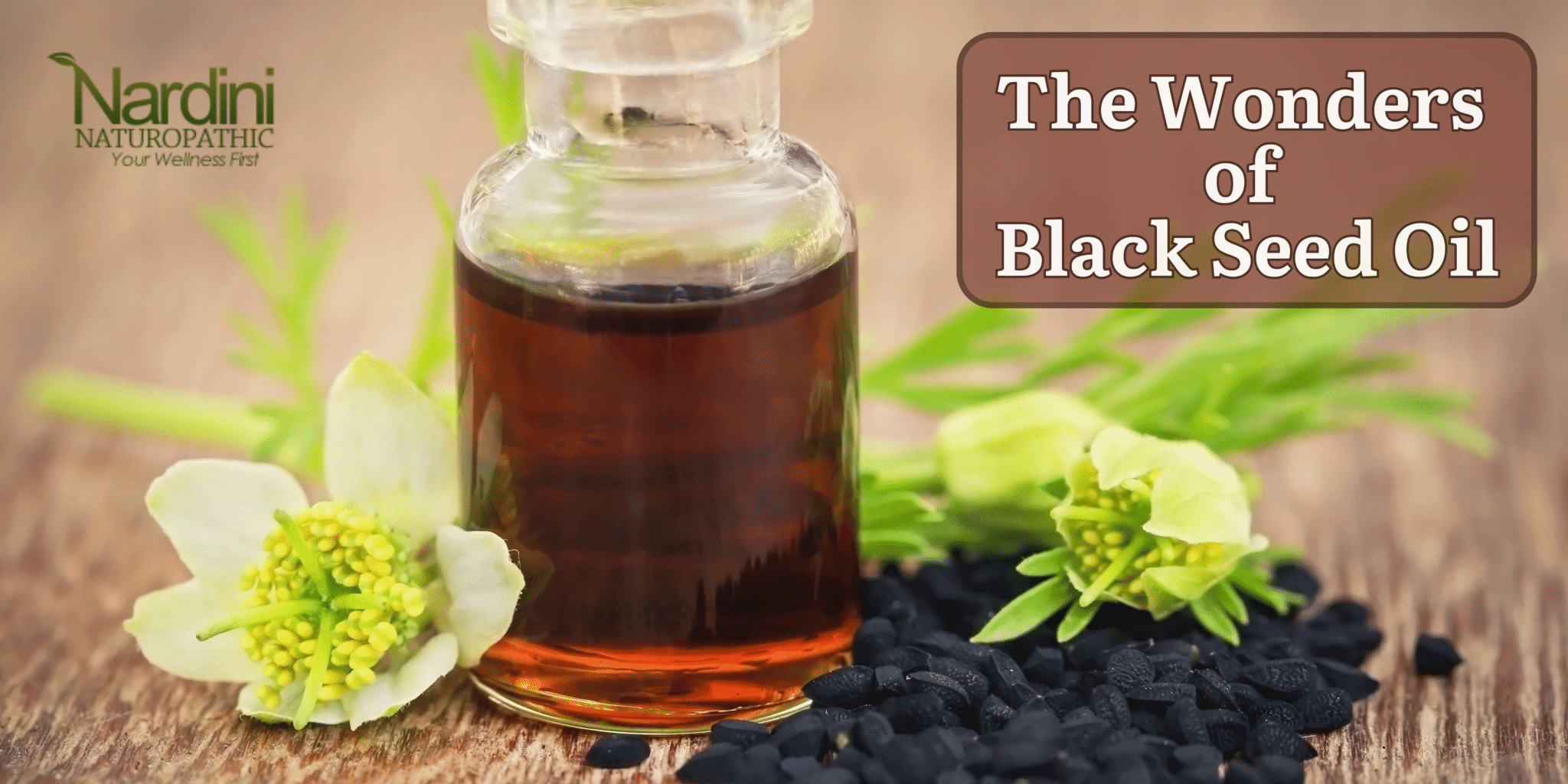
In fact, today I’d like to explore the many potential health benefits of a plant that has been gaining popularity in the past few years – black seed!
Before we get into its various health properties, let’s first get a little background on this tiny botanical wonder.
What is Black Seed Oil And Why Should It Interest You?
Black seed, sometimes called black cumin seed and black caraway seed, is the tiny black seed from the Nigella sativaplant, an annual flowering plant native to western Asia and eastern Europe1. It has been introduced for cultivation to various countries in Europe, Africa, and Asia over the centuries.
The seeds have been used traditionally as a spice in food and for medicinal purposes.
More recently, the volatile oil of the black seed has been the topic of scientific interest, particularly regarding its potential benefits to human health.
The various proposed health benefits of black seed oil stem from its high content of antioxidants and other biologically active, or “bioactive”, compounds.
Nigella sativa seeds contain several known active constituents, including thymoquinone, alkaloids (nigellicines and nigelledine), saponins (alpha-hederin), flavonoids, proteins, and fatty acids, which may have beneficial effects in the treatment of patients with a variety of health conditions2.
Thymoquinone is the most abundant component in the volatile oil of the black seed, and most of the herb’s health properties are attributed to it2.
Both black seed and thymoquinone have been shown in animal and cell culture studies to exhibit anti-cancer, anti-microbial, analgesic (pain-relieving), antioxidant, and anti-inflammatory properties2.
There are also many studies in humans which show much promise with black seed oil and the treatment of numerous health conditions.
Let’s look at some of the health issues for which black seed oil research shows the most promise.
5 Top Health Benefits of Black Seed Oil
While this by no means an exhaustive list, I want to focus on five of the health issues which black seed oil may be especially helpful for.
1. Blood Sugar and Diabetes
One of the most diagnosed conditions in the western world is diabetes. It’s estimated that about 30% of people in Canada live with diabetes or prediabetes3.
Diabetes is defined as a condition of the body in which blood glucose sugar levels are chronically high. The high glucose levels lead to an increase in reactive oxygen species (ROS), resulting in high oxidative stress in the body. The oxidative stress causes cellular damage that can lead to diabetes progression and many of the complications associated with it2.
Read my previous article on antioxidants to find out more about oxidative stress and why it’s so bad for you.
Research suggests that black seed oil is helpful for alleviating some of the unhealthy consequences of diabetes.
A randomized, double-blind, placebo-controlled trial of 72 patients in Iran showed a decrease in fasting blood glucose, triglycerides, LDL (“bad cholesterol”), and HbA1c sugar marker after 12 days of treatment with black seed oil4.
In fact, several clinical trials of diabetes patients treated with either N. sativa or its oil have demonstrated positive effects on fasting blood glucose, HbA1c, and cholesterol markers5.
The scientific evidence for black seed and black seed oil as a treatment for people with diabetes appears quite impressive.
2. Cardiovascular Disease
Like diabetes, cardiovascular disease is one of the major health problems associated with our so-called “modern society”. It’s no surprise that these two conditions often go together.
The good news is that many natural options, like Vitamin C, hawthorn berry, omega-3 fats, garlic, and Coenzyme Q10 can help the cardiovascular system. Let’s see if black seed oil should be added to the list.
One of the early signs of cardiovascular disease is high blood pressure, or hypertension. Research suggests that black seed oil may help lower blood pressure.
A study done on healthy volunteers who received black seed oil every day for two months demonstrated a blood pressure lowering effect compared to those who received only a placebo6.
Another study done with Nigella sativa seed extract and patients with mild hypertension, showed a drop in blood pressure values and LDL cholesterol after 8 weeks of treatment7.
However, just lowering blood pressure isn’t enough if the underlying cardiovascular disease is not addressed. Luckily, black seed’s and black seed oil’s effect on blood pressure may very well be due to an overall positive effect on the cardiovascular system.
A clinical study was done with 80 patients diagnosed with stable coronary artery disease. Each was given black seed powder concurrent with a statin cholesterol medication over a 6-month period. These patients showed a significantly higher improvement in the standard cholesterol numbers (total cholesterol, triglycerides, HDL, and LDL) compared to those treated only with the statin drug8.
Other studies have shown positive results in the use of black seed and black seed oil in the treatment of overweight and obesity, cholesterol imbalance, as well as metabolic syndrome, a condition marked by cardiovascular manifestations and which is a major contributor to the development of diabetes2.
3. Gastrointestinal Disorders
Problems with the digestive system are among the most common ailments affecting us today. Most of us can remember having an upset stomach at least once in our lifetime.
However, gastrointestinal disorders may be serious, in some cases even life-threatening.
As you might have guessed, black seed shows promise with conditions of the digestive tract.
Celiac disease is a severe inflammatory condition of the small intestine caused by increased sensitivity to gluten2. Research suggests that black seed may be helpful.
An Iraqi study on patients with celiac disease and iron deficiency anemia was performed by administering black seed oil in combination with a gluten-free diet for a period of 1 year. Compared to those using only the diet, patients also taking the black seed oil supplement showed improvement in blood cell parameters, intestinal cell health, and markers of inflammation9.
Black seed may also be helpful for problems in the upper GI tract.
A study was done in 2015 on 70 patients diagnosed with functional dyspepsia (indigestion with no obvious structural cause). The researchers administered Nigella sativa oil in a honey base to the patients over an 8-week period. At the end of the trial, patients given the oil treatment demonstrated lower average dyspepsia severity scores and lower rates of H. pylori infection compared to those given a placebo10.
Although these results are promising, more research needs to be done on the beneficial effects of black seed and black seed oil on people with GI disorders.
4. Skin Conditions
Because we look at our skin every day and it’s the first thing other people see of us, conditions of the skin are some of the most stress-inducing.
Of course, a problem on the skin is usually an indication of a problem inside the body.
Fortunately, black seed oil may be a useful tool in the dermatological toolkit.
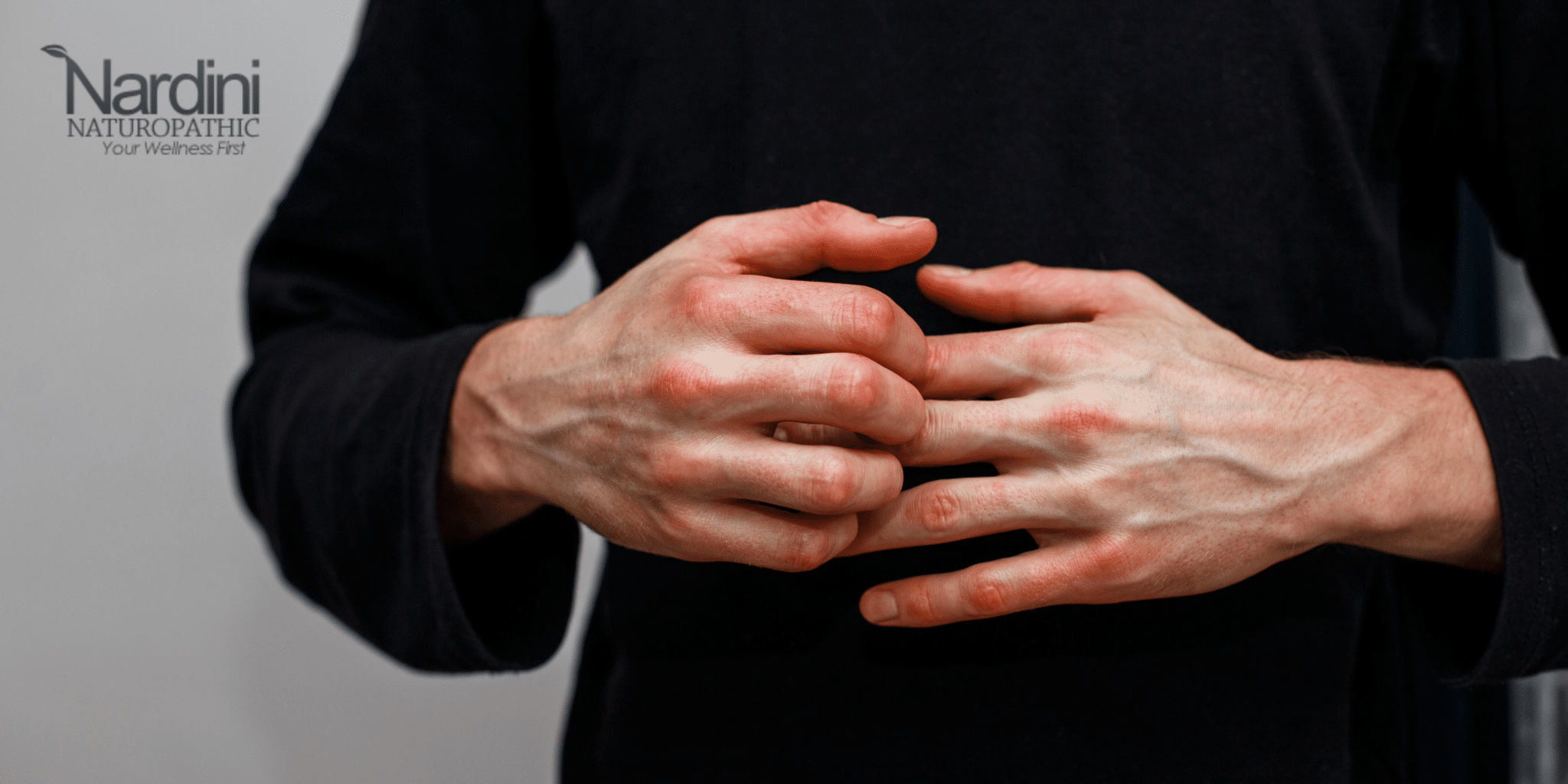
Eczema is a common condition of the skin characterized by various severities of dryness, redness, bumps, and itchiness. It can occur almost anywhere on the body but can be particularly disconcerting when present on the face and hands.
People with hand eczema were studied over 4 weeks while being treated with either black seed ointment, betamethasone steroid cream, or an over-the-counter eczema cream.
By the end of the trial, the Nigella ointment and betamethasone cream equally reduced the severity of the skin eruptions and improved the quality of life of treated patients, according to the researcher’s measurements11. Both proved to be more effective than the OTC eczema cream.
Vitiligo is considered an autoimmune skin condition which results in the destruction of melanocytes, the cells which produce the skin’s pigment. This process creates patches of severe skin colour lightening and is more noticeable with darker skin tones.
Rich in antioxidants and anti-inflammatory compounds, black seed would seem like the perfect candidate to help with vitiligo.
A randomized controlled trial lasting 6 months compared the effectiveness of applying black seed oil to the skin of patients diagnosed with vitiligo compared to the same procedure using fish oil. Both treatments were found to improve the vitiligo skin lesions, but the black seed oil worked better12. No adverse effects were reported in either group.
Black seed oil should be seriously considered when choosing safe topical treatments for skin conditions.
5. Thyroid Health
Knowing how important the thyroid gland and thyroid system are to your health, having another thyroid support option is always welcome.
The thymoquinone component of black seed is classified as having antioxidant, anti-inflammatory, and immunomodulating effects13. This makes black seed potentially suitable for treatment of autoimmune thyroid conditions, like Hashimoto’s thyroiditis and Graves’ disease.
The initial scientific research appears to support this.
In 2016, a placebo-controlled study was published which involved the treatment of Hashimoto’s patients with powdered Nigella sativa for 8 weeks. Those treated with black seed powder saw a significant average reduction in body weight and body mass index (BMI)14.
Interestingly, serum concentrations of thyroid stimulating hormone (TSH) and anti-thyroid peroxidase (anti-TPO) antibodies both decreased while serum T3 (active thyroid hormone) concentrations increased in Nigella-treated group. None of these changes were observed in the placebo group.
An important aspect of these findings is: not only did the black seed reduce one of the inflammatory hallmarks of Hashimoto’s (the anti-TPO), but it also improved thyroid function parameters (TSH and T3).
Although this strong finding is a great start, more human research needs to be done to confirm black seed’s benefits in the treatment of patients with autoimmune thyroid conditions.
Other Health Conditions
Human research also suggests that black seed and black seed oil are useful in the treatment of people with musculoskeletal, nervous system, respiratory, and reproductive problems2.
Final Thoughts
It certainly looks as though black seed, and its oil, have a wealth of potential when it comes to human health. Of course, how useful it may be will depend on an individual’s current health status.
Dosing of Nigella sativa supplements will also depend on individual health factors as well as the form of the product being used.
Typical adult doses of black seed powder range from 500-1000 mg, 2-3 times per day. The pressed oil dose is 3-5 mL, usually twice per day, and the volatile oil of black seed is 3-5 drops twice per day15.
If you use any form of black seed, make sure to buy it organic – pesticides like to concentrate in the oily fraction of plants, especially their seeds.
Although the safety profile of black seed is extremely good, be cautious if you have food sensitivities or a sensitive stomach15.
Due to its potential anti-coagulant effects, you should avoid black seed products if you’re on blood thinners or have scheduled surgery. It’s also best avoided while pregnant as data on its safety during pregnancy is lacking15.
Of course, if you’re considering using black seed or black seed oil to help treat a health condition, it’s always a good idea to consult with a qualified health practitioner for guidance on format and dosing.
When used correctly, black seed may just be the efficient super-herb your body needs!
- https://powo.science.kew.org/taxon/urn:lsid:ipni.org:names:711687-1
- https://pmc.ncbi.nlm.nih.gov/articles/PMC5633670/
- https://www.diabetes.ca/what-is-diabetes/diabetes-in-canada
- https://www.sciencedirect.com/science/article/abs/pii/S0963996915000459?via%3Dihub
- https://pmc.ncbi.nlm.nih.gov/articles/PMC8485088/
- https://onlinelibrary.wiley.com/doi/10.1002/ptr.4944
- https://onlinelibrary.wiley.com/doi/10.1111/j.1472-8206.2008.00607.x
- https://pjnonline.org/pjn/article/view/1380/1382
- https://www.rjpbcs.com/pdf/2012_3(4)/[98].pdf
- https://www.sciencedirect.com/science/article/abs/pii/S0378874115301471?via%3Dihub
- https://pubmed.ncbi.nlm.nih.gov/23198836/
- https://pmc.ncbi.nlm.nih.gov/articles/PMC4102993/
- https://www.sciencedirect.com/science/article/pii/S0753332220313500?via%3Dihub
- https://link.springer.com/article/10.1186/s12906-016-1432-2
- https://ndnr.com/nigella-sativa-hashimotos-thyroiditis/?utm_source=brevo&utm_medium=email&utm_campaign=July%20Release_copy_copy_copy_copy&utm_id=99
Book An Appointment With Nardini Naturopathic
Are you interested to find out more about how adding black seed or black seed oil to your diet may improve your health?
Or perhaps you’d like a review of your overall diet to see where you could be doing better.
Maybe you have food allergies or intolerances and worry you aren’t getting enough nutrients because of your restricted diet.
I’m Dr. Pat Nardini, a naturopathic doctor who offers nutritional counseling services to help ensure all of those gaps in your diet are filled, and that you’re getting enough of all the important nutrients which your body needs to function at its best.
Contact me today for more information, or book a free 15-minute consultation where I will help you understand how naturopathic medicine can help you.
If you have questions about naturopathic medicine, or you’d like to take your first step into the world of naturopathy, contact us at Nardini Naturopathic, and let’s book an appointment.
Yours in health,
Dr. Pat Nardini, Naturopathic Doctor
320 Danforth Ave suite 206,
Toronto, ON, M4K 1N8
-https://g.page/NardiniNaturopathicDanforth
Dr. Pat Nardini, ND is a licensed doctor of naturopathic medicine in Toronto, Ontario. He offers science based natural health solutions with a special focus on thyroid conditions.